Quick Steps: Convert OST to PST (Fast Answer)
Convert OST to PST by exporting from the original Outlook profile. Use File > Open & Export > Import/Export to create a PST. If the profile is missing, the OST is orphaned, or the file is corrupted, Outlook cannot export it, so a converter is required.
- Open Outlook with the original profile that owns the OST.
- Go to File > Open & Export > Import/Export.
- Select Export to a file, then choose Outlook Data File (.pst).
- Select the mailbox root and check Include subfolders.
- Pick a save location, handle duplicates, and finish the export.
Requirements (manual export)
- Classic Outlook installed (not New Outlook).
- Original profile opens the mailbox and stays connected.
- Enough free disk space for the PST file.
- Save to a local folder (avoid OneDrive during export).
- Mailbox is fully synced before export.
Best method by scenario:
- Profile opens and mailbox is online: use Import/Export.
- Profile deleted, server offline, or OST orphaned: use a converter.
- OST is large or damaged: use a converter with repair or split options.
Before exporting: make sure all mail is downloaded
By default, Outlook may only sync the last year in Cached Exchange Mode. To export everything, go to File > Account Settings > Account Settings, double-click your account, and set Download email for the past to All. Wait for sync to finish before exporting.
Avoid exporting to OneDrive-synced folders
If your PST ends up in OneDrive sync folders, sync can show “file in use” or “processing changes” and slow or interrupt access. Export to a local folder first, then move it after the export completes. Microsoft also notes PST files are not supported over LAN/WAN-style network locations.
What Outlook export includes (and does not)
- Included: Mail with attachments, contacts, calendar items, tasks, notes, and selected folders.
- Not included: Rules, blocked/safe sender lists, view settings, folder permissions or properties, and autocomplete cache.
Microsoft notes PST export will not include folder properties/views, rules, or blocked senders lists.
Exporting the mailbox root with Include subfolders is the safest option to avoid missing folders.
Find Your OST File Location (Windows 10/11)
Default path: %LOCALAPPDATA%\Microsoft\Outlook\. In Outlook: File > Account Settings > Account Settings > Data Files > Open File Location.
If the profile is gone, search Windows for *.ost and copy the file to a safe folder before conversion.
Official Microsoft references:
- Create an Outlook Data File (.pst) to save your information
- Export emails, contacts, and calendar items to Outlook using a .pst file
- Open or import items from an offline Outlook Data File (.ost)
If Outlook is slow or the OST looks damaged, review our OST repair guide before exporting.
Convert OST to PST Without Outlook (Is it Possible?)
The short answer is no. Manual conversion requires the original Outlook profile and the export tools inside Outlook. If Outlook is unavailable, the profile is deleted, or the OST is orphaned, a converter is required to open the file. Some tools still rely on Outlook libraries, so check requirements first. For another export format, see our OST to EML guide.
OST vs PST: Key Differences
OST is a cached sync file tied to a specific Outlook profile and server. It is not designed to be moved or opened elsewhere.
PST is a standalone data file used for backup, archive, and migration. It can be imported into other Outlook profiles.
- OST is server-linked; PST is portable.
- OST requires the original profile; PST opens anywhere in Outlook.
- OST is for sync and offline access; PST is for storage and transfer.
Why Convert OST to PST? Common Scenarios and Urgent Needs
Most conversions happen because Outlook cannot access the original profile or you need a portable backup. Common scenarios include:
- Moving data to a new PC or Outlook profile.
- Server outage or account deletion that leaves an orphaned OST.
- Creating a local backup that is independent of the server.
- Reducing a large OST by archiving older data to PST.
If the OST is orphaned or corrupt, Outlook’s native tools cannot read it. In those cases, a converter is required.
Classic Outlook vs New Outlook
- Classic Outlook: PST export uses File > Open & Export > Import/Export.
- New Outlook: PST export is under Settings > Files > Export, and PST support has limitations (for example, contacts and calendar items in PST are not available in new Outlook at this time).
- OST conversion: If you are converting an OST file (or dealing with an orphaned OST), use classic Outlook or a dedicated converter.
- Tip: If you are stuck in the new Outlook, look for the “New Outlook” toggle in the top right and turn it off to return to classic Outlook and access the export tools.
The Manual Approach: Converting OST to PST Using Outlook
These Outlook methods work only when the original profile is active and connected. They do not open orphaned or damaged OST files.
Method 1: The Import/Export Wizard (The “Official” Method)
This is the most common and direct manual method for creating a PST file from an active mailbox.
- Launch the Microsoft Outlook application.
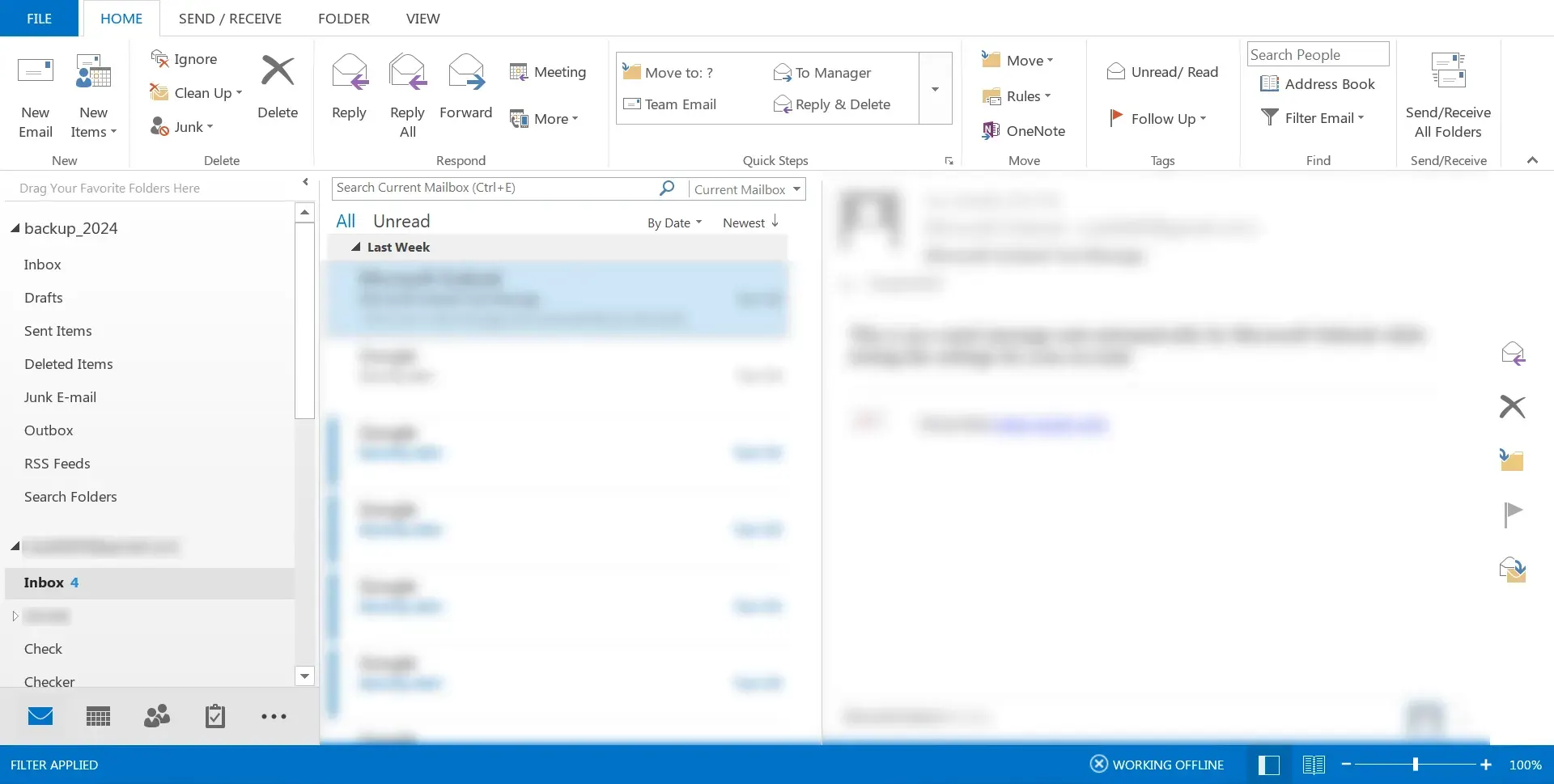
- Navigate to the File tab, select Open & Export, and click Import/Export.
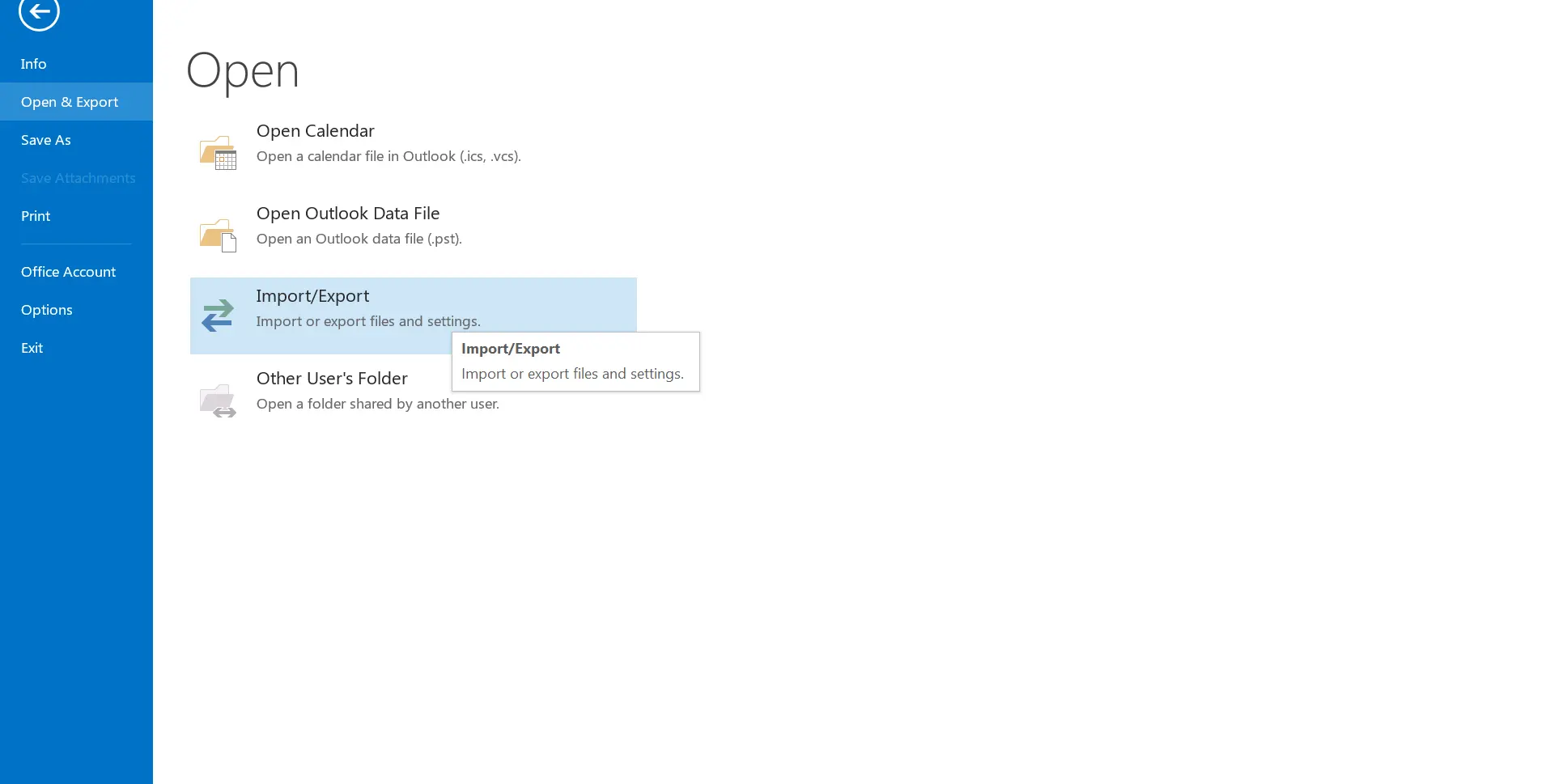
- Choose Export to a file and click Next.
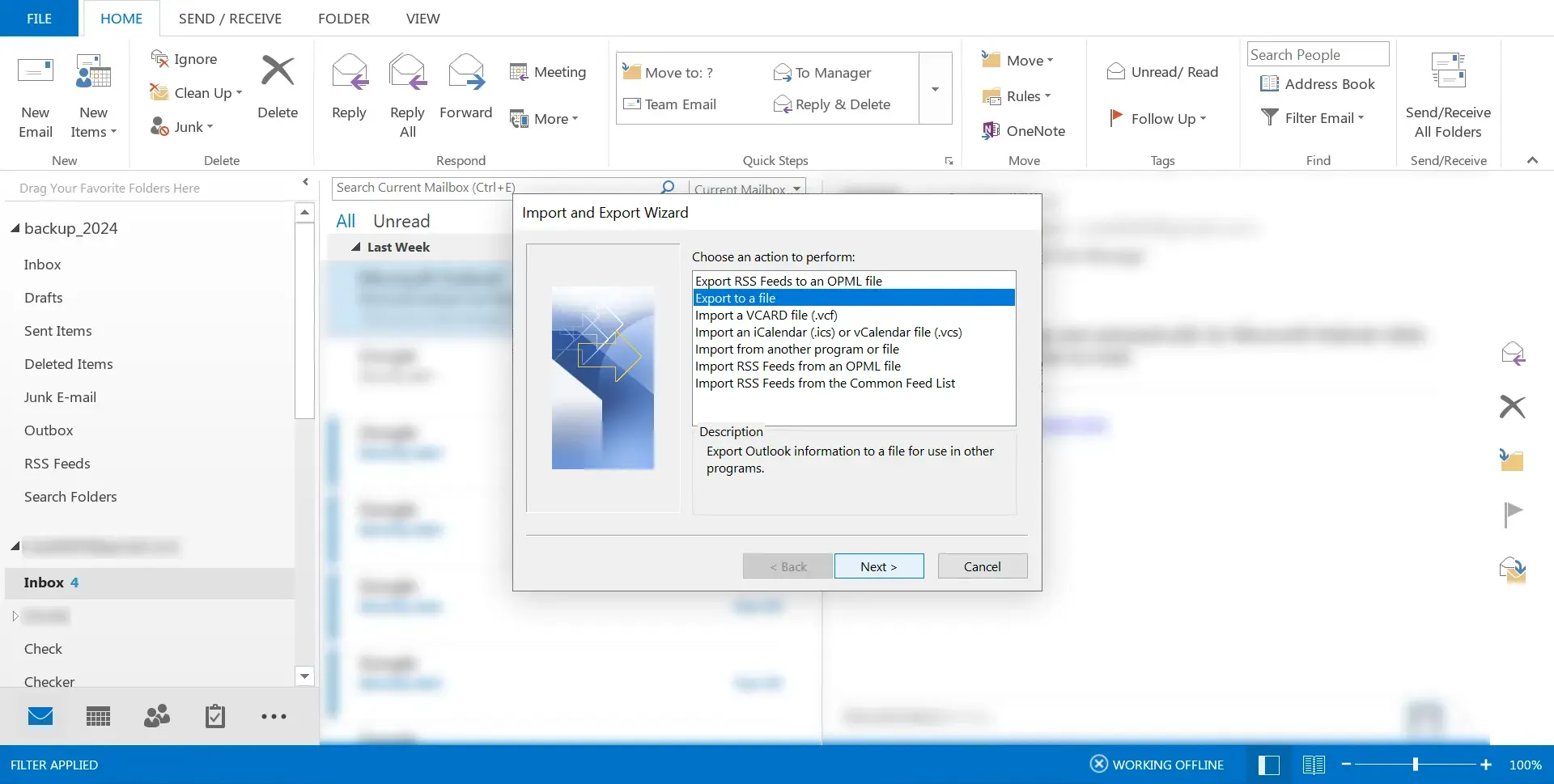
- Select Outlook Data File (.pst) and click Next.
- Select the top-level mailbox and check Include subfolders, then click Next.
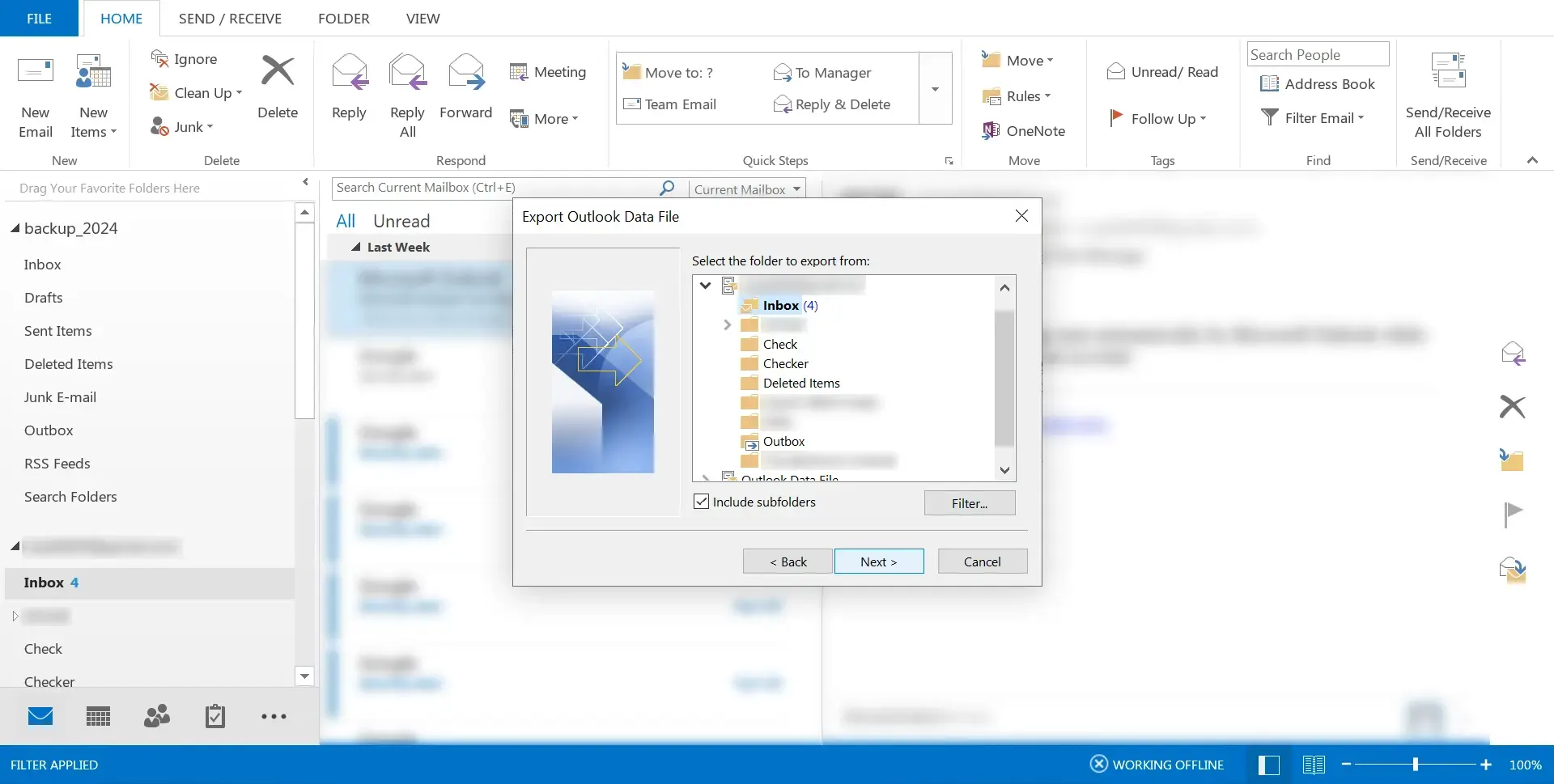
- Browse to choose a save location for the PST file.
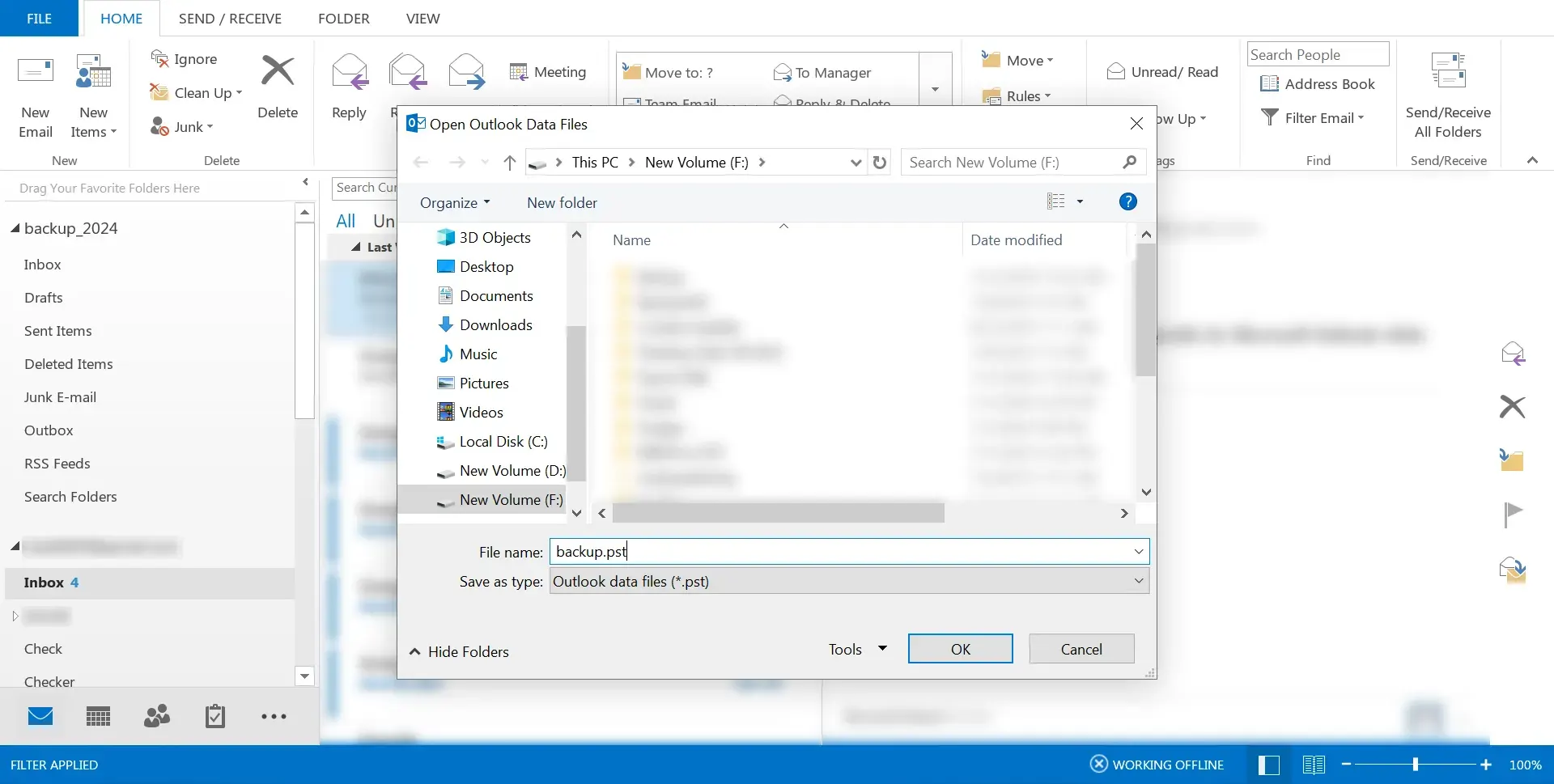
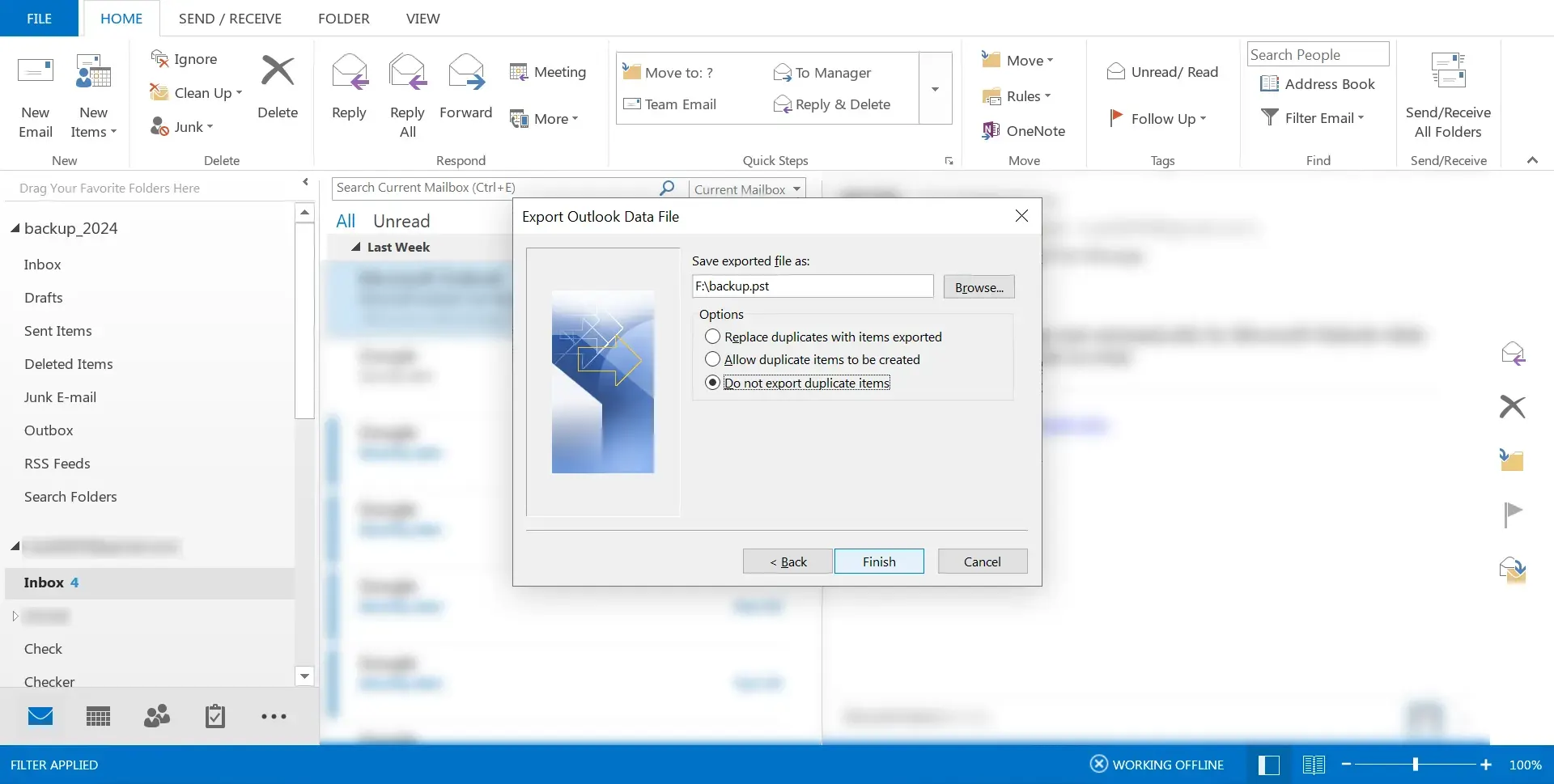
- Choose duplicate handling, optionally set a password, and finish the export.
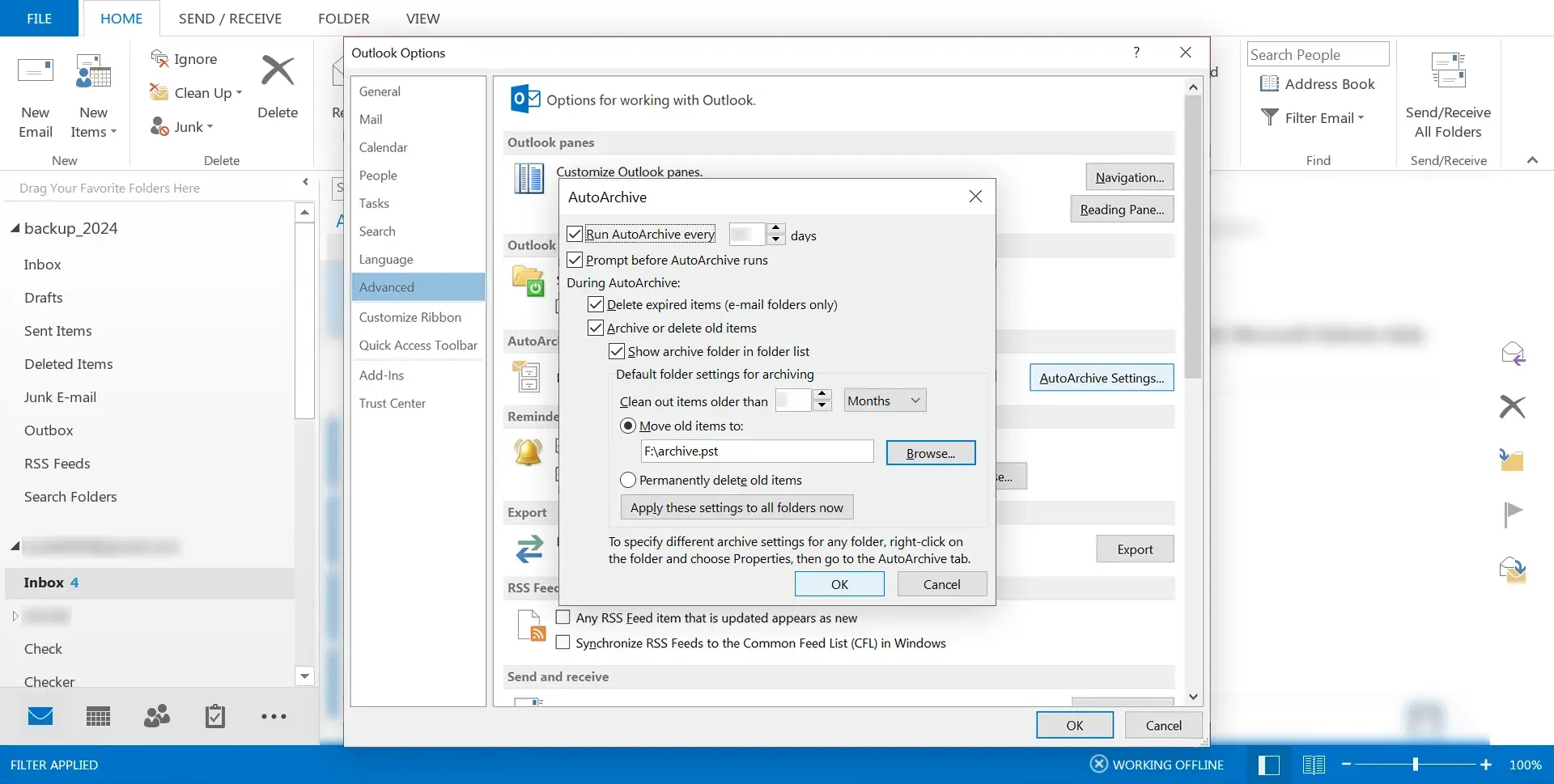
Method 2: Using AutoArchive (The “Set-and-Forget” Method)
The AutoArchive feature is designed to automatically move older items from your active mailbox to a separate PST file to manage mailbox size. It can be configured to perform a conversion over time.
- Launch Microsoft Outlook and sign in to the profile linked to the OST.
- Go to File and select Options.
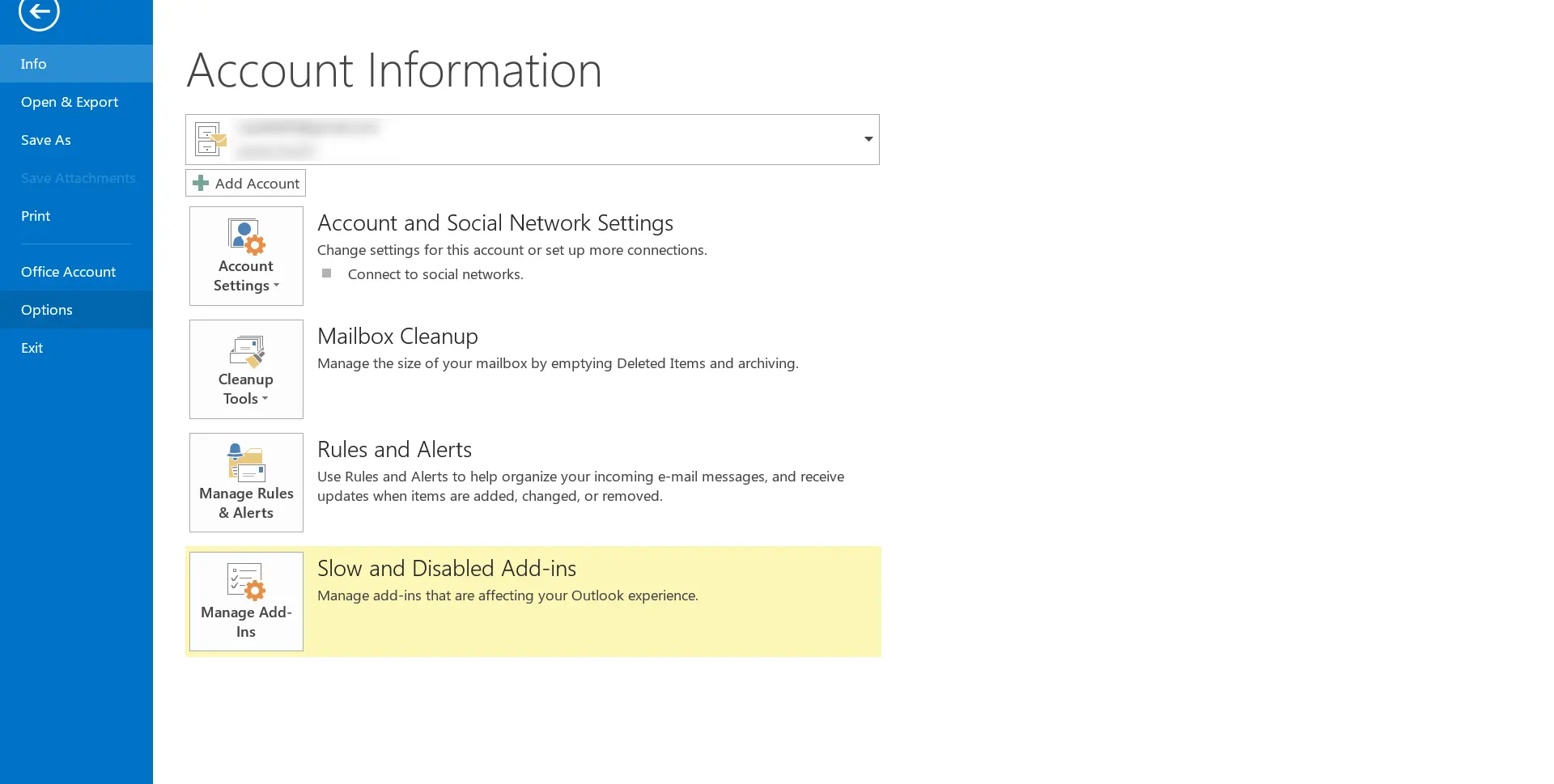
- Open the Advanced tab in Outlook Options.
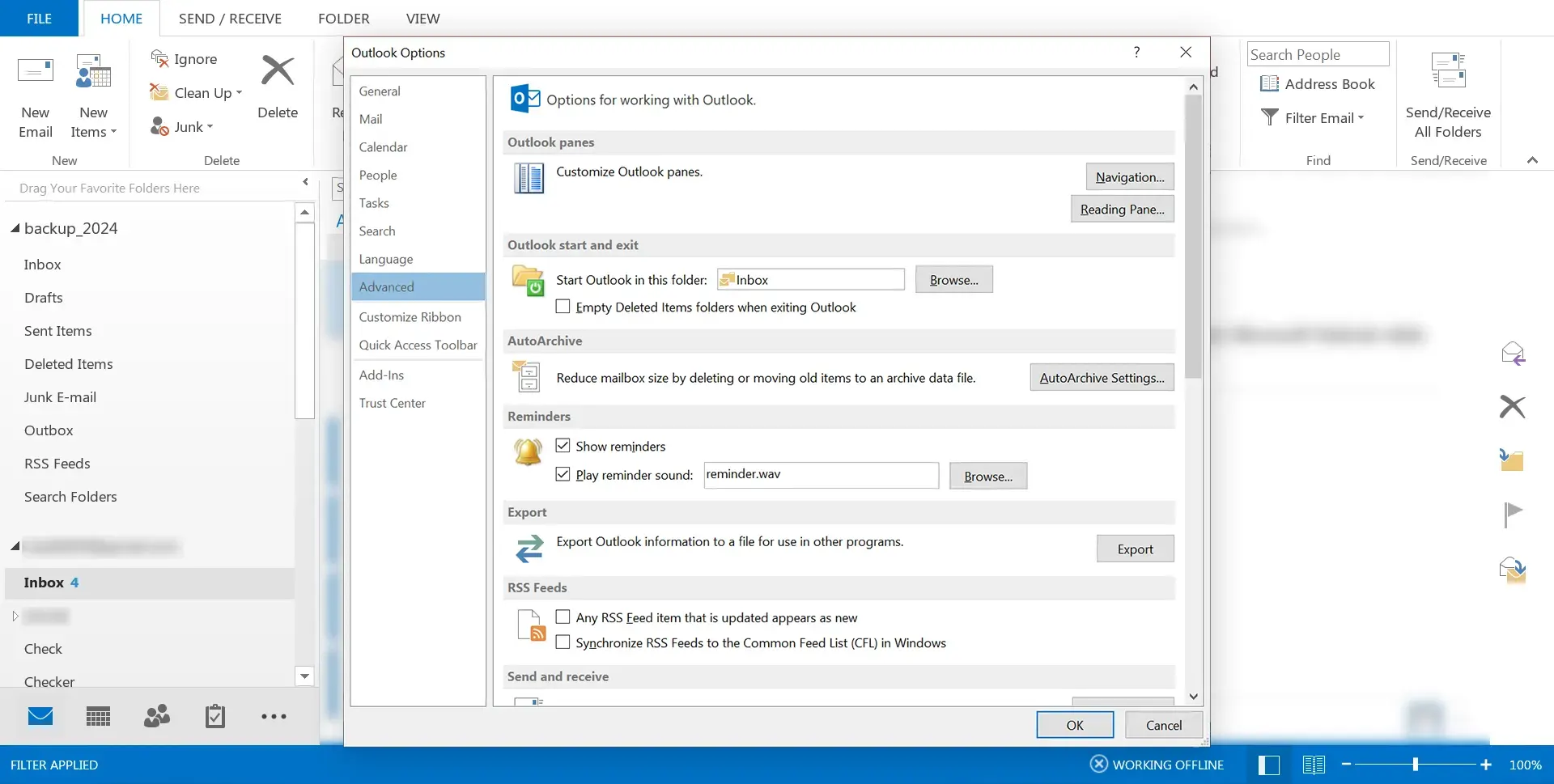
- Click AutoArchive Settings.
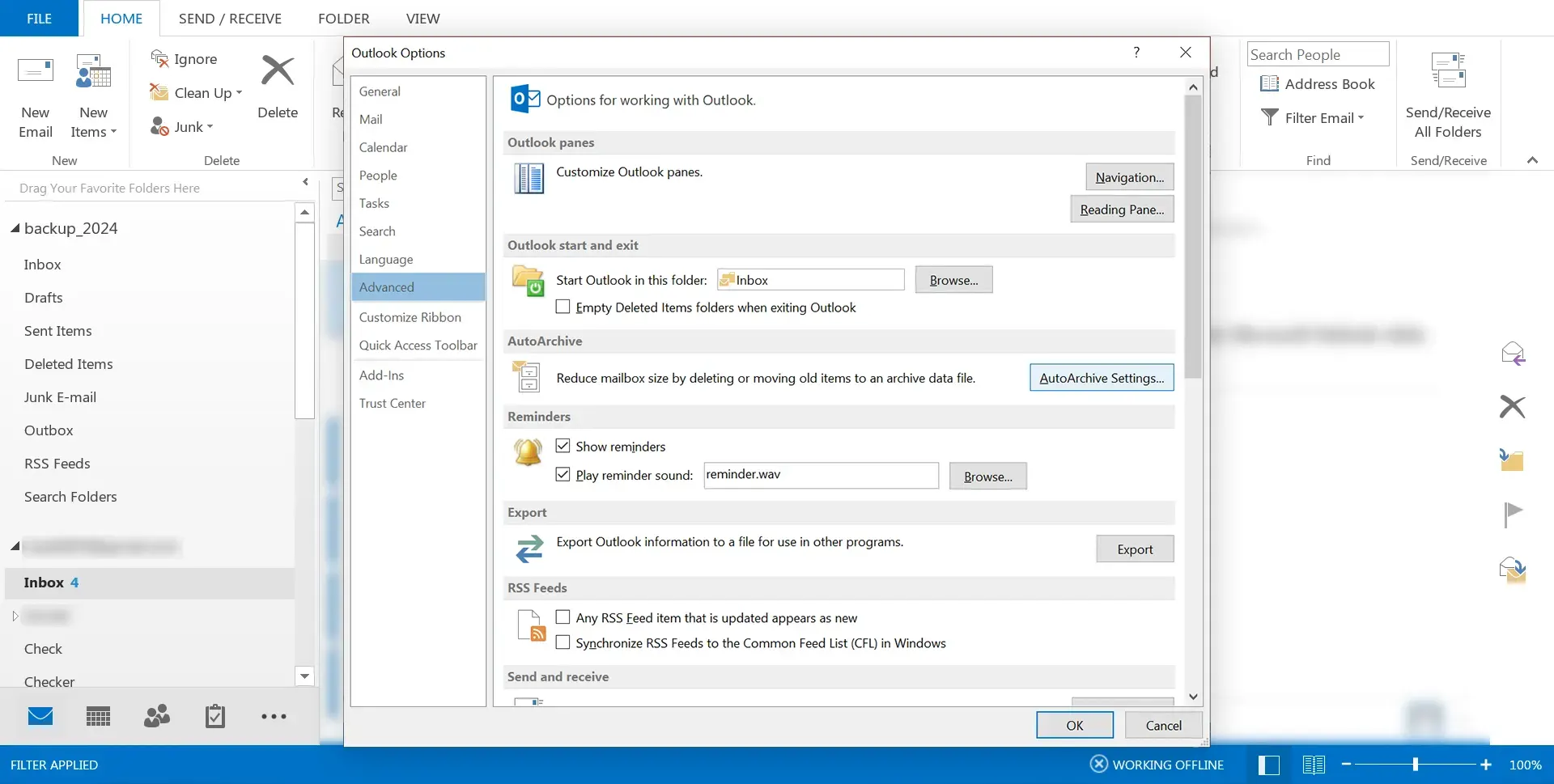
- Set the schedule, age limits, and folder rules.
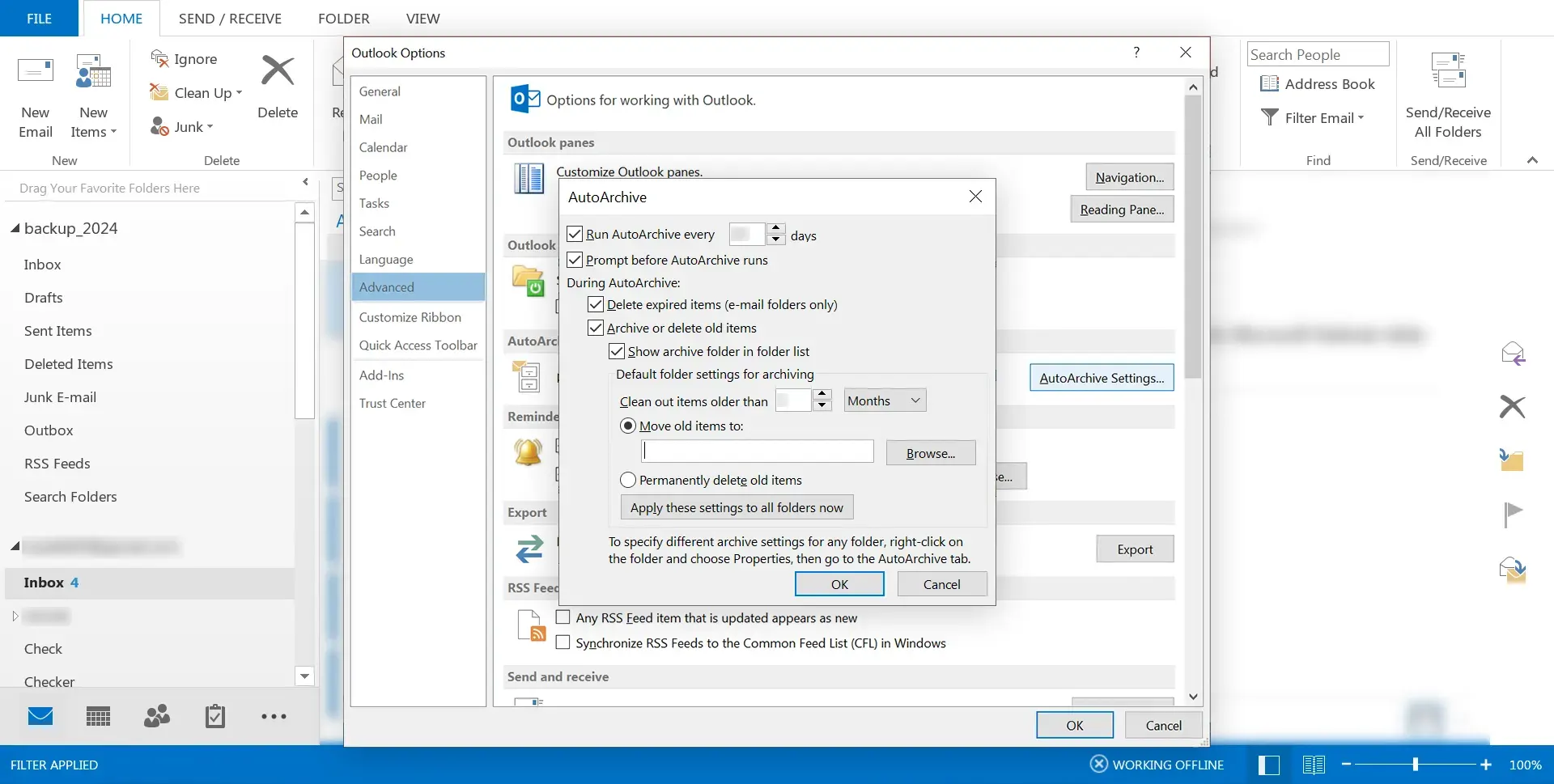
- Choose a destination path for the PST file and confirm.
Method 3: The Drag-and-Drop Technique (The “Quick and Dirty” Method)
This method involves manually moving items from the OST-based folders to a new PST file. It is simple but can be tedious and prone to error.
- First, create a new, blank PST file within Outlook. Navigate to the Home tab, click New Items > More Items > Outlook Data File. Choose a name and location for the file and click OK.
- The new PST file will appear as a separate set of folders in the Outlook navigation pane on the left.
- Open the source mailbox folders (from your OST file) that you want to convert.
- Select the desired emails or other items. You can select multiple items by holding Ctrl or Shift.
- Click and hold the selected items, then drag them over to the desired folder within the newly created PST file in the navigation pane and release the mouse button.
Important Note: This method is notoriously unreliable for moving the contents of default system folders like Inbox, Sent Items, Contacts, and Calendar. Attempting to drag the entire folder often fails. Items within these folders usually must be selected and moved or copied individually, making this method impractical for large-scale conversions.
The Crucial Caveat: When Manual Methods Will Fail
Outlook export fails in the scenarios that trigger most conversions:
- Original profile or server is unavailable.
- OST is orphaned or corrupted.
- Mailbox is very large and export stalls.
- You need to process multiple OST files.
If any of these apply, a dedicated converter is the reliable option.
Troubleshooting common export problems
- Export stalls or freezes: start Outlook in safe mode, disable add-ins, and try again. See our Outlook Safe Mode guide.
- Missing folders or items: export the top-level mailbox and confirm Include subfolders is checked.
- PST becomes too large: export by date range or archive in smaller batches. See how to split a PST file.
- Access denied or file locked: choose a different output folder and confirm you have free disk space.
Instant Solution - SysCurve OST to PST Converter
Repair and convert OST to PST, MBOX, EML, MSG, and other file formats.
Manual Methods vs. SysCurve OST to PST Converter: A Head-to-Head Comparison
Manual tools are fine for healthy, connected profiles. Converters are built for orphaned, corrupt, or large OST files where Outlook export fails.
| Manual Methods (Using Outlook) | SysCurve OST to PST Converter |
|---|---|
| Cannot process OST files without the original, active Outlook profile. | Designed specifically to open and convert orphaned OST files without needing Outlook or an Exchange connection. |
| Cannot open or process damaged OST files. Requires the separate ScanPST.exe tool, which is often ineffective for severe corruption. | Includes built-in repair to handle many damaged OST cases (results vary by corruption level). |
| Impractical and extremely tedious. Each file must be processed individually through the Outlook interface. | Allows for the conversion of multiple OST files in a single operation, a critical feature for IT administrators and large-scale migrations. |
| Prone to incomplete conversion, data loss, and alteration of metadata or folder structure, especially with the Drag & Drop method. | Designed to preserve folder hierarchy and common email properties (To, Cc, Bcc, Date) and attachments. |
| Very time-consuming, especially for large mailboxes. The process can hang, crash, or fail with large files. | Optimized algorithms for quick scanning and conversion, even for very large OST files. |
| The Import/Export wizard offers some basic filtering, but it is not granular. Drag & Drop is entirely manual. | Provides advanced filters (e.g., by date range) for precise, selective conversion of specific items or folders, saving time and storage. |
| Requires a solid understanding of Outlook settings and carries a significant risk of user error leading to data loss. | Features a user-friendly, intuitive graphical user interface (GUI) designed for both technical and non-technical users. |
Use manual export when Outlook can open the mailbox. Otherwise, use a converter to avoid data loss.
Deep Dive: The SysCurve OST to PST Converter
A dedicated converter reads OST files directly, repairs corruption, and exports to PST without relying on a live profile. It keeps folder structure and metadata intact.
Core Features and Benefits
- Opens orphaned and damaged OST files.
- Exports to PST and common formats (EML, MSG, HTML).
- Selective export by folders or date range.
- Preserves folder hierarchy, properties, and attachments.
- Supports major Outlook versions and Windows 10/11.
Step-by-Step Guide: How to Use the SysCurve OST Converter
- Install and launch the converter.
- Add the OST file (or search your drives).
- Preview the mailbox and choose PST as export.
- Select an output folder and run the export.
The Free Trial: Try Before You Buy
The demo lets you scan and preview all data and export a limited number of items per folder. Upgrade removes limits.
Frequently Asked Questions (FAQs)
Short answers to the most common questions about OST to PST conversion.
Can I convert an OST to a PST for free?
Yes, but only if Outlook can open the original profile and mailbox. Use Import/Export or AutoArchive. Orphaned or damaged OST files require a converter (trial versions typically export limited items).
Is it possible to convert an OST file without having Outlook installed?
Manual export requires Outlook. Some converters also rely on Outlook libraries, while others are standalone, so check requirements first.
What is an orphaned OST file, and can I just relink it to my new Outlook profile?
An orphaned OST is disconnected from its original profile and cannot be relinked. Outlook creates a new OST instead, so conversion to PST is the practical option.
My OST file is huge or corrupted. What’s the best approach?
Large or damaged OST files often make Outlook export fail. Use a converter with repair support and optional PST splitting.
Is it safe to use a third-party OST to PST converter with my sensitive email data?
Use reputable desktop tools that process files locally, and avoid upload-based converters for sensitive data.
Final Conclusion: Making the Right Choice for Your Data
OST files are tied to a server profile, while PST files are portable and designed for backup and migration. When Outlook cannot access the original profile, conversion is the only way to recover the mailbox.
If your profile is active, Outlook’s export is fine. If the OST is orphaned, corrupted, or very large, a dedicated converter is the reliable path.